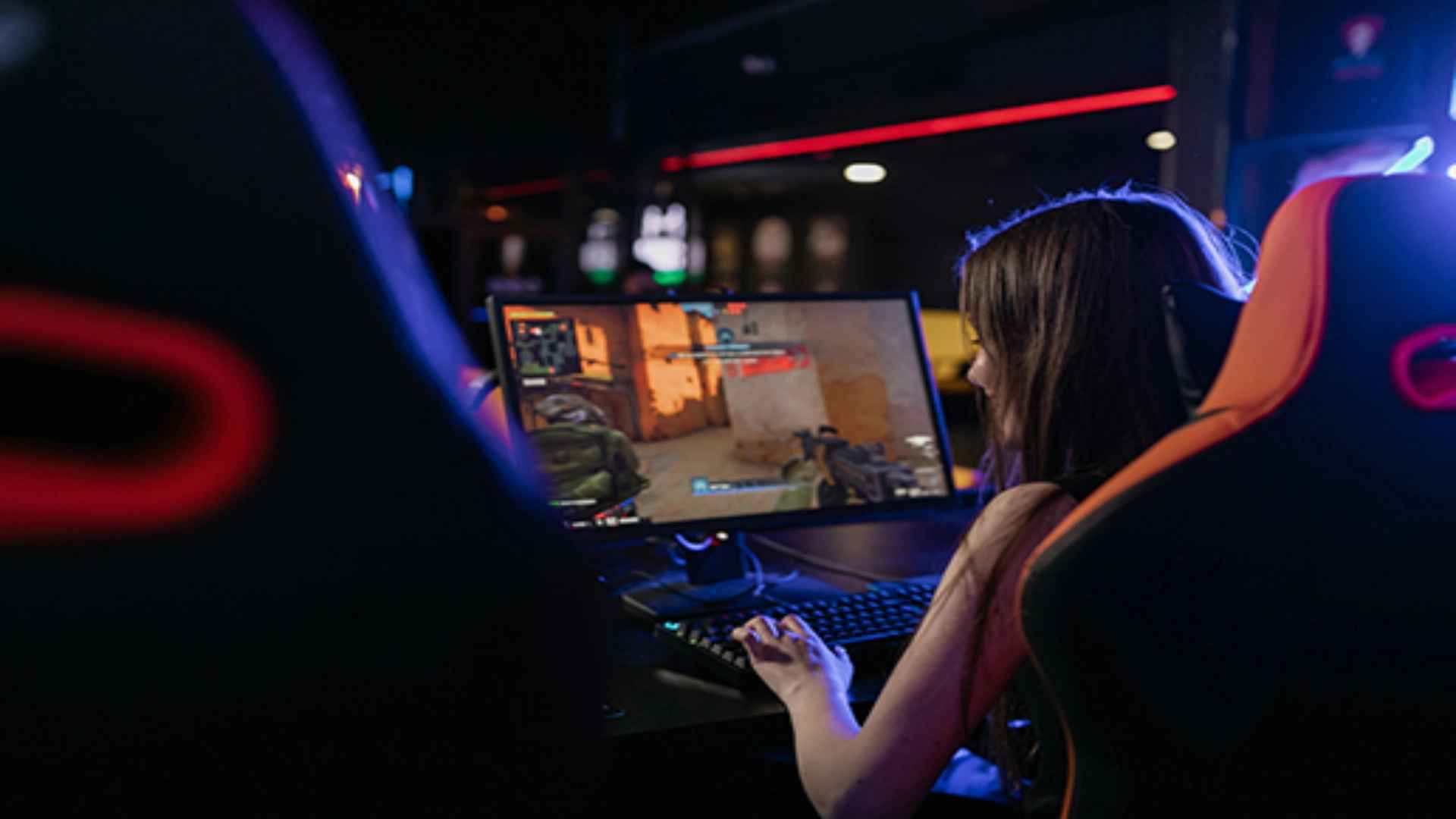
The modern gaming landscape has evolved significantly from isolated experiences into highly connected, shared digital spaces where player interaction takes center stage. Modern multiplayer titles are no longer just about competing against static systems or following predetermined pathways built by developers. Instead, the industry is witnessing a massive shift toward environments where player feedback, collective creativity, and grassroots initiatives directly shape the multiplayer mechanics themselves.
The Rise of Shared Player Innovation
For many years, video game studios designed online match structures behind closed doors, offering limited options for customization. Today, developers frequently build extensive collaborative frameworks that allow passionate gaming communities to co-create their own interactive experiences. This collaborative approach ensures that fresh game modes and unique tournament formats emerge organically from the user base.
By monitoring player forums and social channels, developers can quickly integrate popular community-made rulesets into official updates. This ongoing dialogue between creators and players keeps online environments feeling remarkably dynamic and highly responsive to player desires. As a result, modern multiplayer spaces thrive heavily on digital trust, group identity, and active public participation.
Enhancing Collaborative Gameplay Systems
Many successful multiplayer platforms are now introducing specialized tools that enable groups to establish unique guild mechanics and customized matchmaking systems. These specialized systems allow casual players and competitive experts alike to craft tailored experiences that reflect their specific interests. To explore modern systems that support diverse interactive landscapes, players can utilize the Link M88 Mansion platform for online options. Engaging with these structured spaces helps connect global players into tightly knit digital networks.
Building these shared spaces significantly boosts user motivation, player retention, and long-term community growth. When individuals feel that their personal playstyle influences the digital environment, they become much more invested in the collective experience. This shift ultimately transforms online entertainment from a simple passing activity into a highly robust community of practice.
The Future of Community Centric Environments
As advanced technology continues to reshape the industry, the line between game developers and gaming communities will likely blur even further. Future titles are expected to feature real-time procedural tools that allow groups to modify battlegrounds instantly during active sessions. This high level of flexibility ensures that multiplayer challenges remain completely unpredictable and deeply engaging for years to come.
Ultimately, community-inspired design fosters stronger social connections, meaningful communication, and healthier online interactions among global players. By prioritizing collective creativity over linear structures, modern studios are building digital worlds that truly belong to the people who play them. The future of multiplayer entertainment belongs to collaborative, open-ended ecosystems driven entirely by player passion.