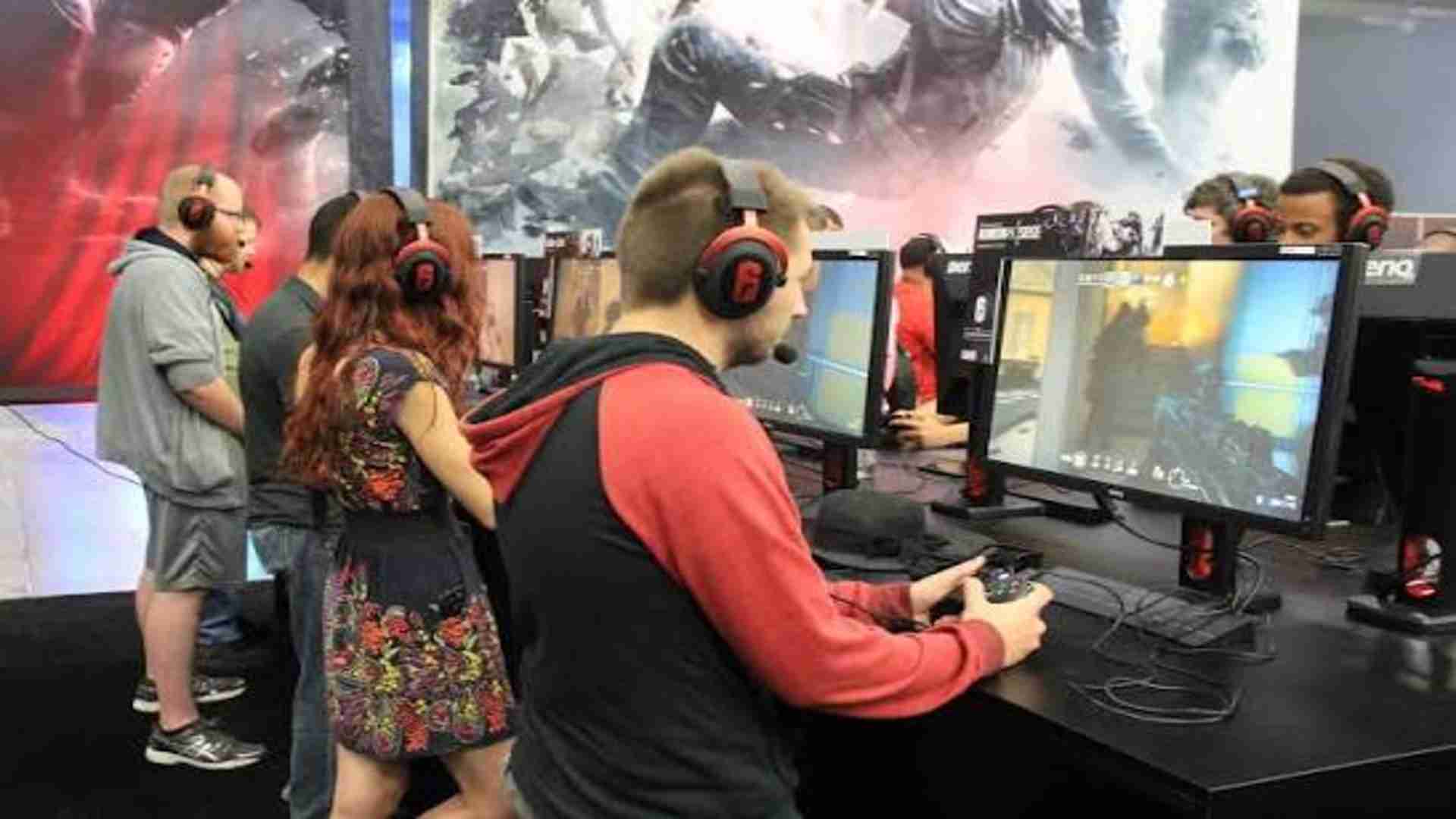
The mobile gaming landscape has experienced a profound shift as digital card titles successfully move away from static tabletop formulas. Modern developers are introducing highly interactive combat mechanics that demand real-time adaptability alongside traditional deck-building strategies. These innovations ensure that every digital duel feels unique, challenging players to think quickly under pressure.
The Evolution of Real-Time Interaction in Digital Decks
Traditional collectible card games historically relied on strict turn-based systems that allowed players to plan their moves without time constraints. However, contemporary mobile variants are introducing active counter-mechanics, quick-time events, and real-time resource management. This shift changes the pacing of matches, making them far more engaging for a broader audience of smartphone gamers.
By blending spatial awareness with active card deployment, developers have created environments where positioning matters just as much as card synergy. Players must constantly analyze the shifting state of the virtual battlefield to protect their high-value assets. For enthusiasts seeking a seamless connection to modern interactive portals, accessing a verified Link M88 Mansion provides a reliable starting point for discovering cutting-edge digital experiences.
How Dynamic Resource Management Shapes Strategy
Instead of relying on a predictable mana curve that increases automatically each turn, new battle systems feature volatile energy mechanics. Players can earn extra resources by executing perfect combos, triggering environmental hazards, or sacrificing specific cards at critical moments. This unpredictability prevents matches from becoming repetitive or dictated solely by expensive, high-tier cards.
Tacticians must learn to balance immediate defensive measures with long-term offensive setups under changing constraints. The constant threat of an opponent interrupting a combo mid-turn adds a layer of psychological tension to every match. Consequently, victory belongs to those who maintain flexible tactical plans rather than relying on fixed metagame formulas.
The Impact of Environmental Hazards and Board Mechanics
Modern mobile card games are increasingly incorporating living digital boards that directly influence combat outcomes. Random weather effects, crumbling platforms, and neutral third-party monsters can suddenly disrupt even the most carefully constructed strategies. Players are forced to adapt their operational goals dynamically based on these randomized battlefield alterations.
This integration of environmental storytelling elevates the genre by making the digital arena feel like an active participant in the duel. It forces players to include utility options in their decks rather than focusing purely on raw damage output. Ultimately, learning to use the game board to your advantage is what separates casual players from tactical masters.
Sustaining Engagement Through Continuous Mechanical Updates
The longevity of modern digital card platforms depends heavily on regular balancing updates and seasonal system overhauls. Developers continuously monitor win rates and community discussions to ensure that no single strategy dominates the ladder for too long. These subtle mechanical tweaks keep the competitive environment fresh, fair, and highly rewarding over extended periods.
Furthermore, frequent tournament events and limited-time challenges encourage players to experiment with underutilized card combinations. This emphasis on mechanical variety ensures that the tactical landscape remains vibrant and competitive. As smartphone technology continues to mature, the potential for even more sophisticated battle systems remains limitless.